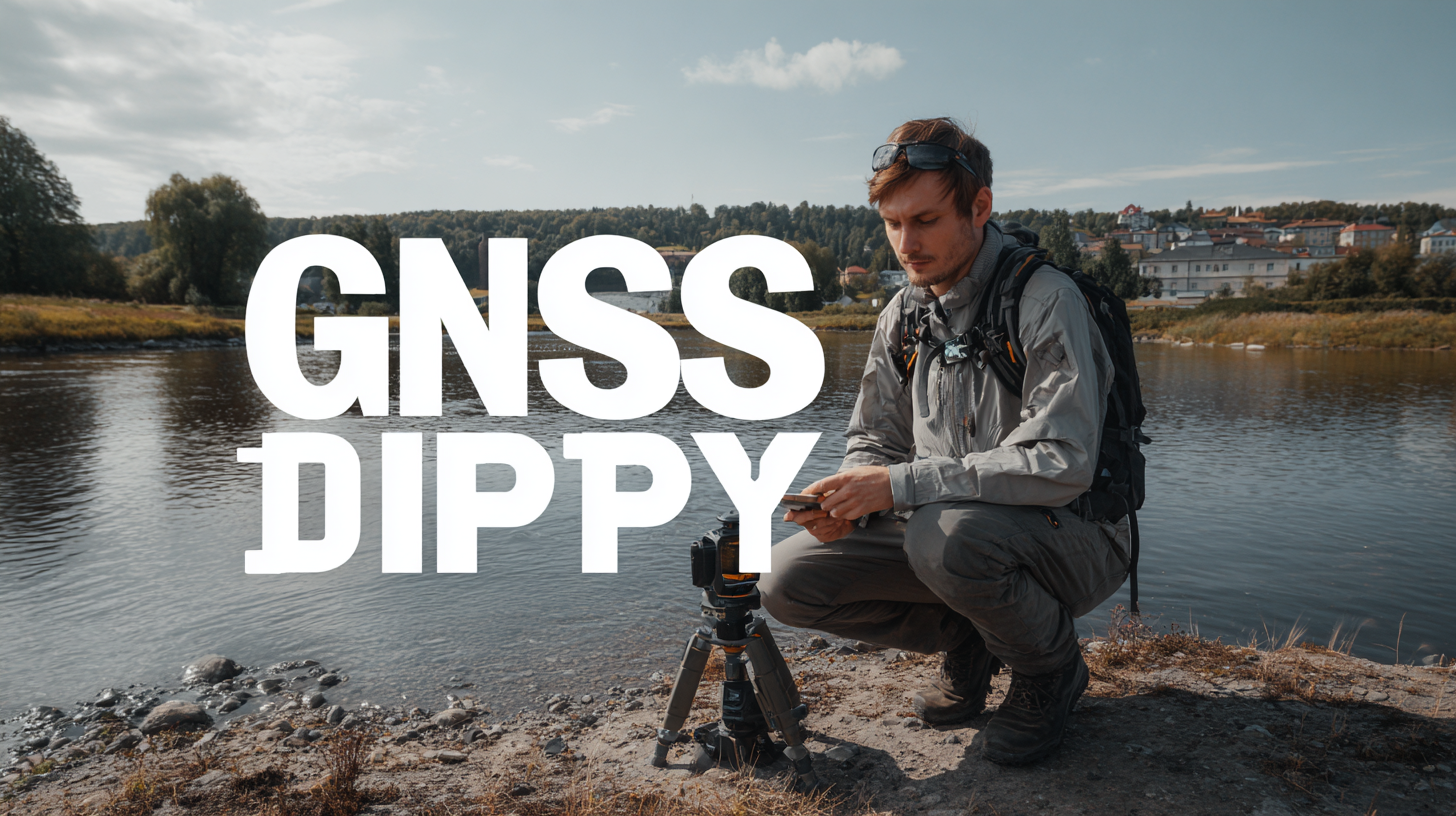
You know, in the fast-changing world of geospatial surveying, picking the right Gnss Dgps Survey Instrumentis super important if you want to get accurate and reliable results. Recent industry reports have been suggesting that the need for high-Precision Gnss technology is set to skyrocket, and it’s being used everywhere—fromconstruction and farming to urban planning and keeping an eye on the environment.
Take Shanghai Apekstool (APEKS), for instance—this company based in Shanghai, China is a go-to for innovative geospatial surveying and mapping products, especially when it comes to GNSS/GPS systems. As professionals are on the lookout to upgrade their surveying game, it's really crucial to grasp the main things to consider when choosing a good manufacturer.
So, in this blog, we’ll dive into seven must-know tips that can help surveyors make smart choices when they're on the hunt for the perfect GNSS DGPS survey instrument for their projects. This way, they'll ensure top-notch performance and reliability in their work.
Understanding the Different Types of GNSS DGPS Survey Instruments
So, when you're picking out a GNSS DGPS survey instrument for your projects, it's super important to get a good grip on the different types that are out there. Basically, GNSS instruments fall into three main categories: static, kinematic, and real-time. If you need high precision over fixed points, static Gnss Receivers are your best bet—they're perfect for geodetic surveys, trust me. Kinematic receivers, though, are a whole different ballgame. They’re built for those times when you need to gather data on the go, which makes them great for mapping and construction tasks.
Then there's the cool stuff—real-time kinematic (RTK) systems! These bad boys can give you centimeter-level accuracy, and they do this by tapping into satellite signals and correction data. They’re especially handy when you need that immediate feedback, like when you’re doing land surveying or staking out construction sites.
So yeah, understanding all these different types will really help you find the right tool for your specific project needs, which means you’ll be more efficient and accurate in your surveys. It’s worth taking the time to learn about these options because it can really make a difference in how your projects turn out and boost your overall capabilities!
Key Features to Look for in GNSS DGPS Survey Equipment
So, when you're out there picking GNSS DGPS survey gear, it's really important to think about features that can ramp up both accuracy and efficiency for your projects. One of the key things you should definitely look for is multi-band capability. Thanks to some pretty cool advancements in GNSS tech—like those 1408-channel multi-band systems—you can get faster satellite fixes with way better reliability, especially when you're dealing with tough environments. This is super important if you're often navigating through all sorts of rough terrain where the signal might struggle a bit.
Now, another big thing to consider is tilt compensation. Over the last five years, this no-calibration tilt compensationhas really become a must-have in many of the high-end Gnss Rovers out there. It means you can get your work done more smoothly without having to fiddle with manual calibration every time. This kind of tech not only makes data collection quicker but also boosts accuracy significantly. In fact, some industry reports even say that rolling these features into your workflow can bump up productivity by as much as30%! That’s pretty crucial if you’re looking to streamline your work while still keeping those high precision standards you need for your projects.
Common Problems Encountered with GNSS DGPS Instruments
So, when you’re diving into using GNSS DGPS tools for your surveying projects, you might run into some common hiccups that can really throw off your accuracy and efficiency. One biggie is signal interference. You know, stuff like buildings, trees, or even the weather can mess with your signals. This kind of interference can really screw up your positional accuracy, so it’s super important for surveyors to pick instruments that are built to handle these pesky obstacles—maybe ones that come with fancy algorithms or multi-frequency features.
Another thing to keep in mind is calibrating your instruments. Sometimes, surveyors have a tough time getting their GNSS receivers calibrated just right, and that can lead to some data collection headaches. You might end up with inconsistent readings because of a bunch of factors, like not setting things up correctly or changes in the environment. That’s why it’s a smart move to go for GNSS DGPS instruments that make calibration as easy as possible and come with solid support docs. Tackling these common issues can really boost the effectiveness of GNSS surveys and help keep your projects running without a hitch.
7 Essential Tips for Choosing the Best GNSS DGPS Survey Instrument for Your Projects
This bar chart represents the varying levels of importance for different factors to consider when selecting a GNSS DGPS survey instrument. Each factor is rated on a scale from 1 to 10, with higher values indicating greater importance for successful project outcomes.
Comparing Accuracy and Precision in GNSS DGPS Tools
When you're picking the right GNSS DGPS survey tool, it’s super important to get a grip on the difference between accuracy and precision. So, accuracy is basically how close your measurements come to the real deal, while precision is all about how consistent those measurements are when you’re in the same spot. An instrument might give you results that are really consistent—like, every time you take a measurement, it’s pretty much the same—but if those results are way off from the actual value, then it’s not really doing you any favors. That’s why you definitely want to keep both of these factors in mind when you’re checking out your options for tools on your project.
And hey, when you’re comparing GNSS DGPS instruments, make sure to look at their specs for accuracy and precision in different scenarios. Some tools might shine when you’re under an open sky, whereas others work better in busy urban settings or thick woods. Plus, if you can get ones that have real-time kinematic (RTK) capabilities, you’ll boost both accuracy and precision—talk about reliable data collection, even in tricky areas! In the end, it’s all about finding a GNSS DGPS survey instrument that strikes a good balance between accuracy and precision. Trust me, it can really make a big difference in how successful your surveying projects turn out.
Evaluating Cost vs. Performance for Your Survey Needs
Choosing the right GNSS DGPS survey instrument for your projects is all about striking that perfect balance between cost and performance. Sure, top-notch instruments can be a bit pricey, but think of it this way: investing in reliable, high-performance gear can make a world of difference in how your projects turn out. For instance, better accuracy and the ability to tackle tough environments can really amp up your data collection game, ultimately saving you a bunch of time and resources. So, it's super important to really get a handle on what your specific survey needs are.
Here at Shanghai Apekstool (APEKS), we're all about providing innovative geospatial surveying products that fit a variety of budgets and performance levels. We've got a wide range of GNSS/GPS systems and other surveying tools, making it easier for you to find the right fit that won’t break the bank while still meeting your performance expectations. Whether you're in construction, land surveying, or mapping, our tailored solutions are crafted to suit your operational needs, which helps you get accurate results without a hitch. Choosing APEKS means you’re investing in quality that delivers reliable performance no matter what the size of your project.
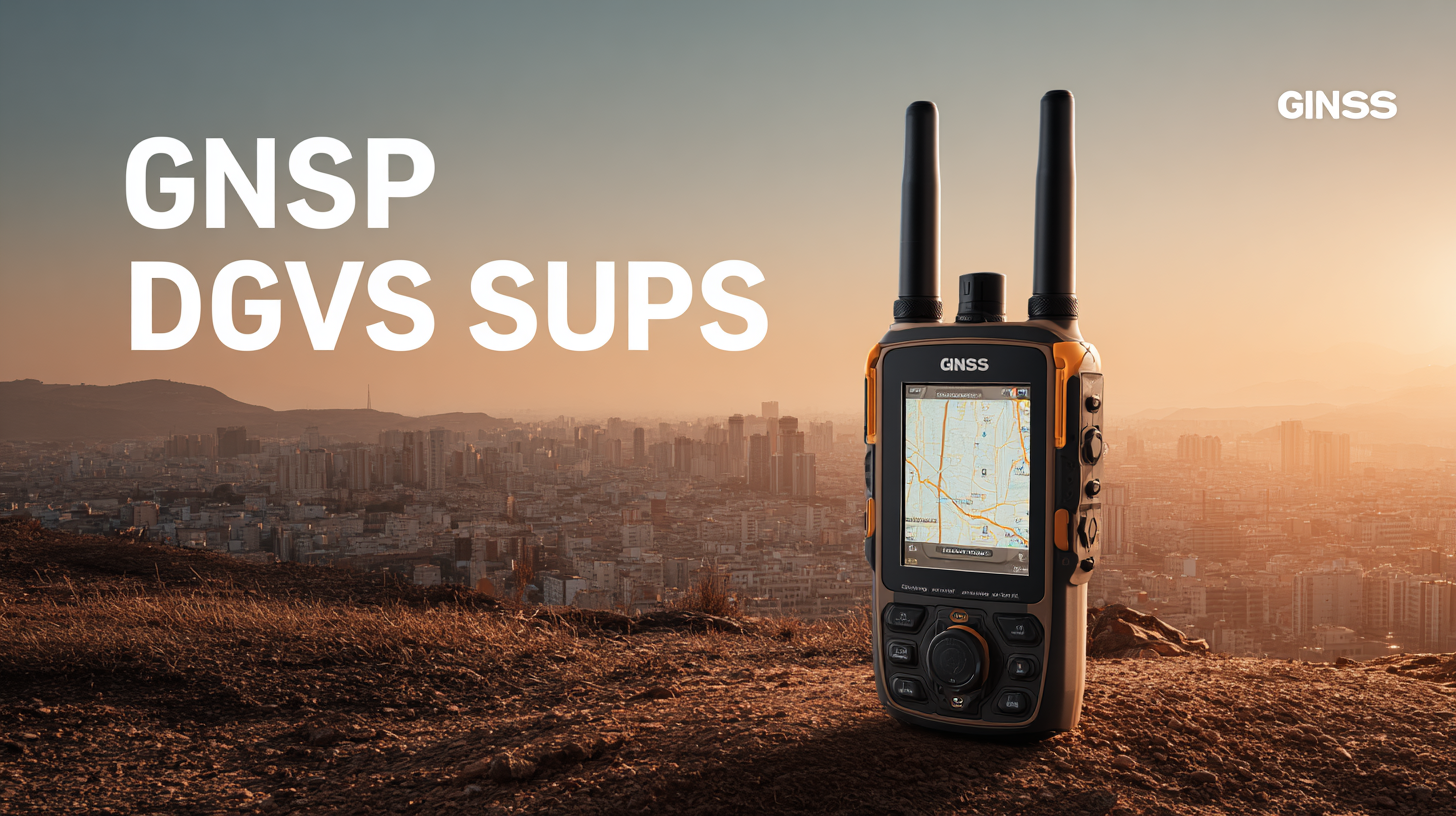
User Reviews: Learning from Others' Experiences with GNSS DGPS Instruments
When it comes to picking the right GNSS DGPS survey instrument for your projects, user reviews are really important! They can give you a peek into what other people have experienced, helping you spot the pros and cons of different options so you don’t end up with something that could cost you a lot later. Just dive into some forums or check out review sites where pros are sharing their stories. You’ll find some cool insights on features that really impressed them. This kind of real feedback can show you how durable, accurate, and easy to use a device really is.
And hey, keep an eye out for common threads in those user reviews! If lots of folks are raving about a specific model for how well it performs in tough conditions or how user-friendly it is, that’s a pretty good sign it’s reliable. But if a bunch of users start talking about software issues or bad customer service, it might be time to look at other options. Basically, user reviews can be your best buddy when making a choice that really fits your project needs and expectations.