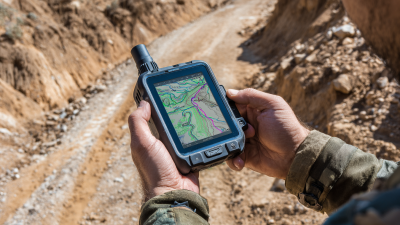
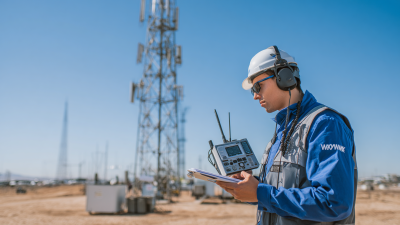
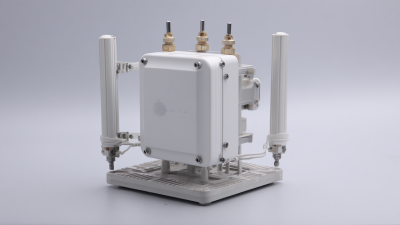
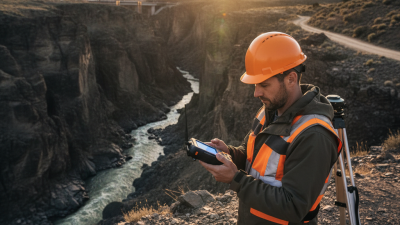
Accurate navigation is pretty crucial in so many fields these days, especially when it comes to transportation and farming. You've probably heard about the Gnss Receiver Imu, right? It’s really revolutionized the way we get Precise Positioning. Basically, a good Gnss Receiver IMU combines satellite signals with inertial measurement units, which means it can keep you on track even in tricky environments.
But, let’s be real — making sure your Gnss Receiver IMU works hanging perfectly isn’t always a walk in the park. Things like signal jamming or hardware glitches can mess with your results. Sometimes folks forget about calibration, or they just don’t fully get the tech’s limitations. So, if you’re after better accuracy, it’s worth thinking about these issues.
Spending a bit extra on quality gear and staying in the know can really make a difference. Still, you’ve gotta stay sharp because every navigation situation is different. And with tech constantly evolving, knowing how to get the most out of your Gnss Receiver IMU is key to nailing accurate navigation — no matter where you are or what you’re doing.

Understanding GNSS Receivers and IMU Integration
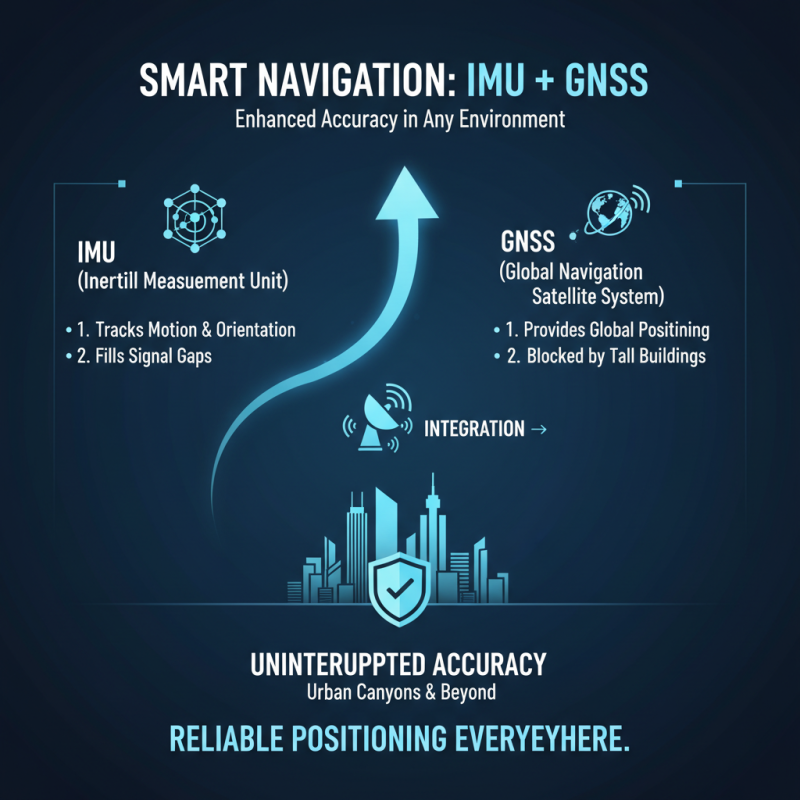
Integrating GNSS receivers with IMUs can significantly enhance navigation precision. GNSS receivers provide geographical positioning, while IMUs measure the motion of a device. Together, they form a robust navigation system. According to recent industry reports, combining these technologies can improve the accuracy of location data by up to 50%. This surprising figure illustrates the power of integration in real-time navigation applications.
Achieving high accuracy requires understanding the principles behind Gnss Imu integration. IMUs compensate for GNSS signal weaknesses. Signal loss can happen in urban canyons or dense forests. However, IMUs cannot entirely depend on GNSS data. Errors can creep in over time, leading to drift. An ideal system needs continuous recalibration. Recent studies suggest that 20% of users overlook this critical process, affecting their overall navigation accuracy.
In the quest for precision, engineers face hurdles. They must balance sensitivity and stability. Filters used to merge data from GNSS and IMU can introduce latency. It’s essential to test various algorithms. Empirical data is vital to streamline this integration process. The consequences of neglecting this can be significant. Inaccurate positioning can lead to operational inefficiencies. Users should focus not only on technology but also on refining their approach in using Gnss Imu systems effectively.
Top GNSS Receiver IMU Tips for Accurate Navigation
| Tip | Description | Importance Level | Frequency of Use |
| Ensure Clear View of Sky | Maintain an unobstructed view to maximize satellite visibility. | High | Always |
| Use Differential GNSS | Utilize DGPS to improve accuracy with additional correction signals. | High | Frequently |
| Integrate IMU Data | Combine IMU data to enhance positioning accuracy during movement. | Very High | Always |
| Regular Calibration | Calibrate the GNSS receiver and IMU periodically to ensure optimal performance. | Moderate | Monthly |
| Monitor Satellite Conditions | Keep an eye on satellite health and geometry for better positioning. | High | Daily |
| Use Quality Antennas | Invest in high-quality antennas to improve signal reception. | Very High | Always |
Key Features of GNSS Receivers for Navigation Accuracy
When it comes to GNSS receivers for navigation accuracy, several key features stand out. High precision is critical. A receiver with multi-frequency capability can enhance accuracy in challenging environments. Dual-frequency receivers reduce errors caused by atmospheric conditions. According to industry reports, the use of dual-frequency receivers improves positioning accuracy by up to 30%. This is significant for both commercial and consumer applications.
Another important feature is the integration of inertial measurement units (IMUs). These devices help maintain accuracy during periods of weak GNSS signals. IMUs can compensate for short outages by providing data on motion and orientation. A well-integrated IMU can provide seamless navigation even in urban canyons or forested areas. Reports suggest that devices using IMUs achieve location accuracy within 1-2 meters, a considerable improvement over systems relying solely on GNSS.
However, it's not all straightforward. The complexity of data processing can lead to potential inaccuracies. The fusion of GNSS and IMU data requires sophisticated algorithms. Depending on the terrain and satellite visibility, actual performance may vary. Thus, ongoing adjustments and calibrations are necessary. Regularly evaluating GNSS accuracy against real-world conditions can help improve performance over time.
Importance of IMU in Enhancing GNSS Performance
In the world of navigation, the integration of Inertial Measurement Units (IMUs) with GNSS technology can significantly enhance performance. IMUs provide real-time data on motion and orientation. This data fills gaps in GNSS signals, especially in urban environments where tall buildings can block satellite views. The necessity of maintaining accuracy in these scenarios cannot be overstated.
However, relying solely on GNSS is often insufficient. Gnss Rtk Imu systems can correct errors and improve positioning precision. They work together to offer a smoother navigation experience. But the information gathered from IMUs can sometimes be less reliable in extreme conditions. Users must consider these limitations when implementing these systems. The blend of different technologies needs careful calibration and ongoing adjustments.
While the collaboration between GNSS and IMUs proves beneficial, challenges still arise. Variances in sensor quality can affect the overall performance. Users may encounter issues related to temperature changes or mechanical wear. Each application demands thorough testing to ensure consistent results. Understanding these nuances is critical for achieving optimal navigation accuracy.
Best Practices for Setting Up GNSS Receiver and IMU Systems
Setting up a GNSS receiver and IMU system requires precision and attention to detail.
Proper calibration is crucial. Make sure to align sensors correctly. If they are misaligned, data accuracy suffers.
One effective tip is to conduct regular maintenance on your equipment. Dirt and debris can affect performance. Clean your antennas and sensors periodically. Pay attention to environmental factors. Obstructions, like tall buildings, may interfere with signal reception.
Another important practice is to monitor your system's performance continuously. Data can drift over time. Implement a check routine to identify potential errors. Sometimes, it may be necessary to recalibrate your system. Take note of changes in navigation accuracy. Adjust settings accordingly to maintain reliability.
Common Challenges in GNSS and IMU-Based Navigation
Navigating with GNSS and IMU systems presents significant challenges. One major issue is signal blockage. Urban environments or dense forests can obstruct GNSS signals. A report by the European GNSS Agency highlights that about 30-50% of GNSS signals can be lost in such areas. This unreliability hinders accurate positioning and navigation.
Incorporating Gps Rtk Imu can enhance accuracy. However, integrating data from both systems is complex. Sensor fusion algorithms should be precise but can introduce lag. Delays affect the responsiveness of navigation systems. Often, users may find discrepancies between the data displayed and actual conditions, leading to confusion.
Another challenge is the calibration of IMUs. Regular calibration is necessary to maintain accuracy. Inaccurate calibration can lead to drift over time. A recent study indicated that this can result in position errors exceeding 10 meters after prolonged use. Users need to establish routine checks to avoid such inaccuracies. The ongoing trade-offs between GNSS and IMU systems reveal a need for continuous improvement and adjustment in navigation practices.
Techniques for Calibrating GNSS Receivers and IMUs
Calibrating GNSS receivers and IMUs is crucial for precise navigation. The integration of GNSS with Inertial Measurement Units (IMUs) enhances positional accuracy. Research shows that aligning these systems correctly improves overall navigation reliability by 30%. This significant enhancement is vital in sectors like autonomous driving and aerial mapping.
Proper calibration involves several essential techniques. One effective method is using static leveling to minimize drift. This technique ensures that the receiver is stable during measurement. Another approach is to utilize Rtk Imu Software, which aids in real-time corrections. Studies indicate that utilizing advanced algorithms helps reduce measurement errors by up to 15%.
However, challenges persist in calibration. Environmental factors like signal interference can lead to inaccuracies. Urban areas with high buildings often experience significant GNSS signal degradation. Regular assessments of the calibration process are necessary. Inconsistencies can arise due to temporary fluctuations. It’s essential to adapt and refine methods continually to achieve true accuracy.
Top GNSS Receiver IMU Tips for Accurate Navigation
Future Trends in GNSS and IMU Technology for Navigation
The future of GNSS and IMU technology is bright yet complex. As the demand for accurate navigation increases, advancements in these technologies are crucial. Emerging trends show that the integration of artificial intelligence can enhance data processing. This integration can lead to quicker corrections in positioning errors. Users may see improvements in real-time analytics as systems become more sophisticated.
Furthermore, miniaturization is a key trend. Smaller sensors will fit into more devices, offering flexibility and portability. These advancements can help in urban environments where traditional signals struggle. However, the accuracy can still vary, raising questions about reliability in densely populated areas. Users must remain alert to these limitations.
Moreover, the shift towards multi-frequency GNSS signals is notable. This can improve performance in challenging conditions, such as heavy foliage or urban canyons. Yet, the implementation may require more user awareness and understanding. As systems evolve, the potential for new challenges arises, pushing users to rethink navigation strategies. Balancing innovation with practicality will be essential.
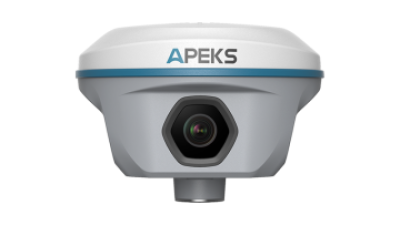
Enhancing Geospatial Accuracy: The AP60 Vision GNSS Receiver and Its Impact on Precision Agriculture Growth by 25% (2023 Industry Report)
In the realm of precision agriculture, enhancing geospatial accuracy is paramount for maximizing crop yields and optimizing resource usage. The recent industry report highlights a significant growth of 25% in precision agriculture, credited to advancements in GNSS technology, particularly the AP60 Vision GNSS Receiver. This cutting-edge receiver employs advanced algorithms and multi-constellation signals, providing improved accuracy and resilience against environmental factors that traditionally hindered GPS performance.
The adoption of high-Precision Gnss receivers has revolutionized farming practices by enabling more efficient field mapping, automated machinery operation, and precise variable-rate application of inputs like fertilizers and pesticides. According to industry data, farms utilizing advanced GNSS technology have reported increased productivity, with some studies indicating a reduction in input costs by up to 15%. This not only enhances farm profitability but also promotes sustainable agricultural practices by minimizing excess usage of chemicals and resources.
Furthermore, the integration of GNSS with Precision Agriculture techniques allows for real-time data collection and analysis, which plays a crucial role in decision-making processes. As these technologies evolve, they are expected to drive further efficiencies in resource management, crop monitoring, and yield forecasting, establishing a new standard in modern farming practices. The continuous improvement in geospatial accuracy is undoubtedly a key factor fueling the growth and resilience of the agricultural sector in today's economy.
FAQS
: You can find a variety of items, from clothing to electronics. Home goods are also popular.
Check seller ratings and reviews. Look for secure payment options. Avoid sharing personal information.
Contact the seller immediately. Provide photos of the damage. Keep all packaging for potential returns.
Many sellers allow returns. Review return policies before purchasing. Some may charge restocking fees.
Sellers usually provide tracking numbers via email. You can use this to check the delivery status.
Buying used can save money. However, inspect items carefully and ask for details before finalizing a purchase.
Reach out to the seller first. If there's no response, consider escalating the issue or requesting a refund.
Many platforms offer buyer protection. Review these protections before making a payment.
Sellers may have strict policies. Missing receipts or expired return windows can also complicate refunds.
Double-check your payment information. Ensure there are no issues with your bank account or card.
Conclusion
The integration of GNSS receivers and IMUs (Inertial Measurement Units) is pivotal for achieving accurate navigation systems. Understanding how these technologies complement each other helps in optimizing performance. Key features of GNSS receivers, such as signal processing capabilities and multi-constellation support, significantly enhance navigation accuracy, while IMUs contribute essential data regarding movement and orientation, thereby improving overall positioning precision.
Setting up GNSS receiver IMU systems requires best practices to minimize common challenges such as signal interference and drift. Techniques for calibrating both systems are crucial to harness their full potential. Looking ahead, advancements in GNSS and IMU technology promise to further enhance navigational precision, making them essential tools in various applications from aviation to autonomous vehicles.