inquiry
Leave Your Message
0%

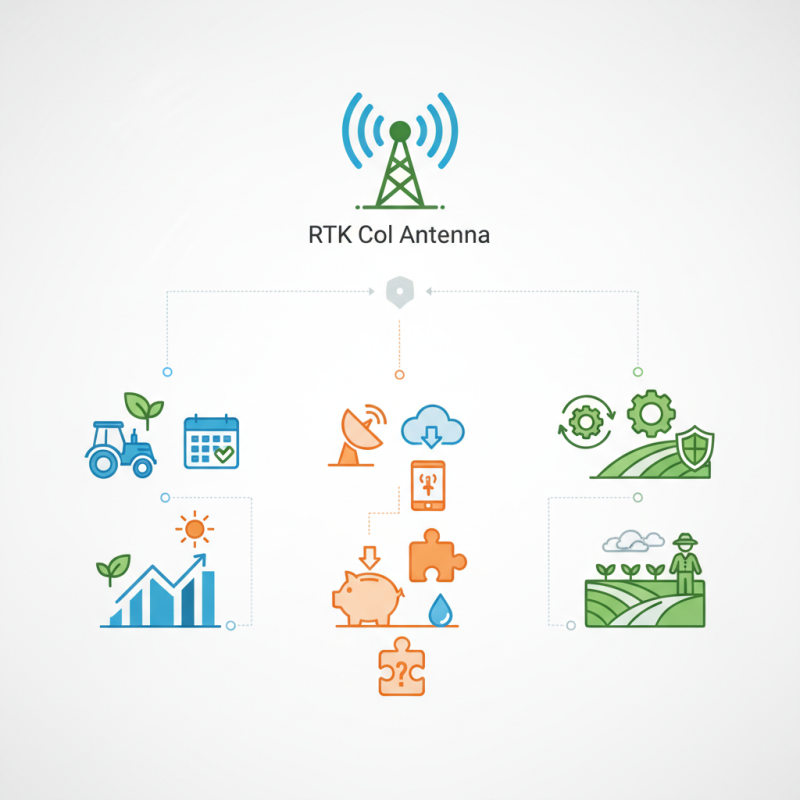
In the evolving realm of precision farming, the "Rtk Col Antenna" plays a pivotal role. John Smith, a leading expert from AgriTech Innovations, once stated, "The Rtk Col Antenna is revolutionizing the way farmers approach land management." This technology enhances positioning accuracy, directly impacting crop yields and resource management.

Farmers now rely on the "Rtk Col Antenna" to provide real-time data. This advancement helps them make informed decisions. However, there are challenges to consider. Not every farm has access to the needed infrastructure. There’s an ongoing debate about the costs versus benefits of integrating this technology on smaller farms.

The benefits of the "Rtk Col Antenna" are significant. It improves efficiency and reduces waste. Yet, the initial investment can be daunting. It raises questions about long-term sustainability. As this technology evolves, farmers must remain adaptable. The future of agriculture may depend heavily on the thoughtful integration of the "Rtk Col Antenna.
2026 Top Rtk Col Antenna Uses and Benefits for Precision Farming?

Overview of RTK (Real-Time Kinematic) Technology in Farming

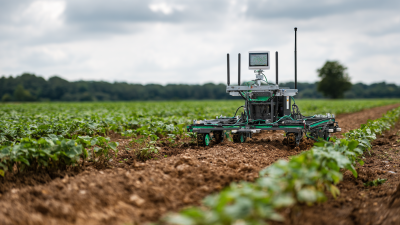
RTK (Real-Time Kinematic) technology has transformed precision farming. It enhances the accuracy of GPS signals, allowing farmers to achieve sub-inch precision in their operations. This technology uses a base station and a mobile unit. Farmers deploy the mobile unit on their equipment. The Antenna Rtk receives signals from the base station, correcting any discrepancies in real-time.

With Precise Positioning, farmers can optimize field operations. This reduces overlap when planting or spraying. Using an antenna RTK can save inputs and increase yield. However,technical challenges may arise. Signal reception can be obstructed by tall structures or trees. Farmers must assess their fields for best results.

Adopting RTK technology requires investment. Not all farmers may find the cost justifiable. Additionally, the learning curve can be steep. It’s essential to weigh these factors against potential benefits. Farmers should remain flexible and open to adjustments. Experimentation may lead to unexpected improvements.

Key Features of the 2026 Top RTK Col Antenna

The 2026 top RTK col antenna offers several key features that enhance precision farming. One crucial aspect is its high accuracy, with positioning typically within centimeters. According to recent industry reports, precision farming can increase crop yields by up to 30%. This improvement is linked to accurate data collected via advanced Rtk Antennas.

Another feature is its robust durability. Designed for harsh weather, these antennas withstand extreme temperatures and moisture. Farmers benefit from fewer downtime issues. Yet some might overlook that this durability impacts how often they should check their antennas before use.

Connectivity is also vital. The Rtk Antenna should seamlessly integrate with farming equipment. A study revealed that75% of farmers reported efficiency gains with better connectivity. This can be tricky; inconsistent signals can lead to errors in data. It’s essential to maintain regular system checks and updates to ensure long-term benefits. Investing in high-quality RTK antennas is a step toward optimizing agricultural practices.

Benefits of Using RTK Antennas for Precision Agriculture

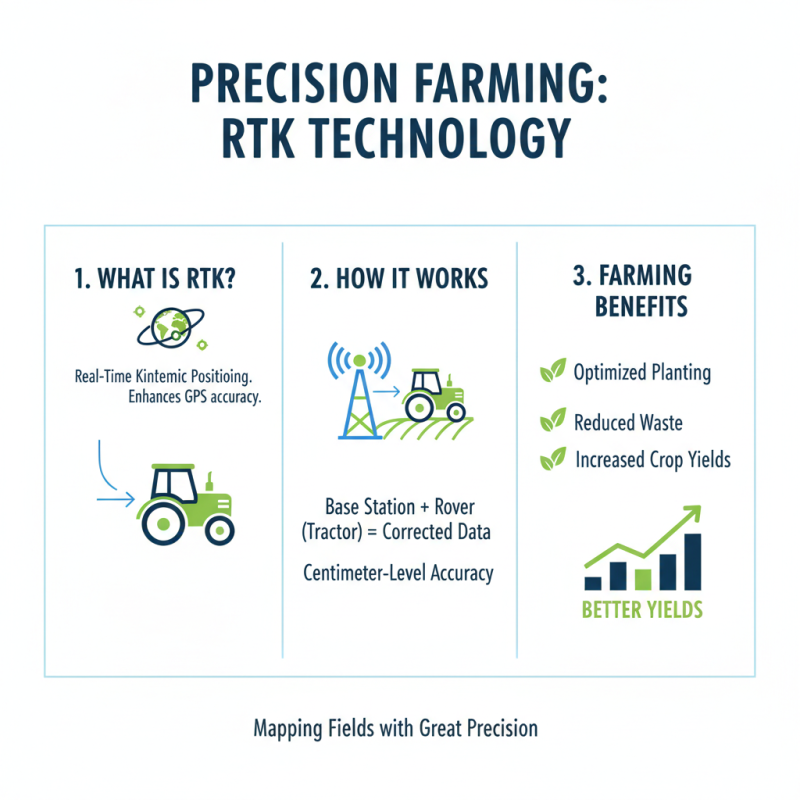
In precision agriculture, the use of Rtk Gps Antennas has transformed farming practices. These antennas improve the accuracy of positioning, allowing farmers to map fields with impressive precision. By achieving centimeter-level accuracy, farmers can optimize planting strategies, manage resources better, and enhance crop yields. This technology enables a more targeted approach in agriculture, which can lead to more efficient herbicide and fertilizer applications.

The benefits of RTK antennas are clear. They minimize overlaps and gaps during planting, saving both time and resources. Additionally, real-time corrections offer constant accuracy, which is crucial during critical farming activities. However, some farmers may face challenges in implementing this technology. High initial costs and the need for continuous updates can hinder adoption.

Farmers must also consider their specific needs. Each farm is unique, and the effectiveness of an Rtk Gps antenna might vary based on terrain and crop type. While many have seen improved outcomes, others may struggle to justify the expense. It’s essential to weigh the benefits against the drawbacks to determine if this technology aligns with overall farming goals.

Applications of RTK Technology in Crop Management

2026 Top Rtk Col Antenna Uses and Benefits for Precision Farming?

Precision farming is evolving with RTK technology. RTK stands for Real-Time Kinematic positioning. This system provides accurate location data for farming equipment. It helps in mapping fields with great precision. Farmers can use RTK data to optimize planting patterns. This leads to better crop yields.

Crop management sees significant benefits from RTK applications. It allows for more efficient use of resources. For example, accurate data helps in applying water and fertilizers precisely. This precision reduces waste and minimizes environmental impact. However, farmers must ensure proper calibration of RTK systems. Misalignment can lead to incorrect data and poor crop performance.

Field mapping and tracking progress also improve with RTK technology. It offers detailed insights into crop health. Farmers can identify problem areas early. Yet, dependence on technology can also be a pitfall. System failures or signal issues might occur. Farmers need backup plans to handle such situations effectively. Balancing technology and traditional practices is vital for success.

Economic Impact of RTK Antenna Adoption in Farming

The adoption of RTK antennas in farming significantly impacts the economic landscape. Precision farming techniques enhance crop yields and reduce costs. These antennas offer greater positioning accuracy, helping farmers minimize overlaps and gaps during planting. This results in better resource management.

Farmers can save on seeds and fertilizers, creating a more sustainable approach. However, not all farmers can afford initial investments. Some struggle with the technology's complexity, leading to inconsistent adoption. The transition requires not only financial resources but also a willingness to adapt to new methods.

Reflecting on the impact, we see both advantages and challenges. Increased efficiency is a major benefit, yet many face barriers to entry. Training and support are essential to maximize the benefits of RTK technology. Addressing these issues could pave the way for broader acceptance in the agricultural community.

Future Trends in RTK Antenna Technology for Agriculture

In the evolving landscape of agriculture, 2026 promises exciting advancements in RTK antenna technology. Farmers are increasingly turning to Gps Rtk Antennas to achieve higher precision in their activities. These antennas allow farmers to accurately navigate their equipment, minimizing overlaps and ensuring uniform planting. This precision can contribute to better crop yield and sustainable farming practices.

Tips: Regularly check the performance of your GPS RTK antenna. Sometimes, interference can reduce accuracy. Also, consider upgrading software for enhanced functionality.

As we look ahead, emerging trends suggest the integration of AI and machine learning with RTK technology. These tools can analyze data in real-time, optimizing farming decisions. However, not all farms may benefit equally from this technology. The cost of implementation and the need for expert knowledge could be barriers for some.

Tips: Evaluate your farm's specific needs before investing in new technologies. Training for staff can help maximize the benefits of advanced systems. It’s essential to reflect on whether the technology aligns with your goals.

Challenges and Solutions in Implementing RTK Systems in Farming

2026 Top Rtk Col Antenna Uses and Benefits for Precision Farming?

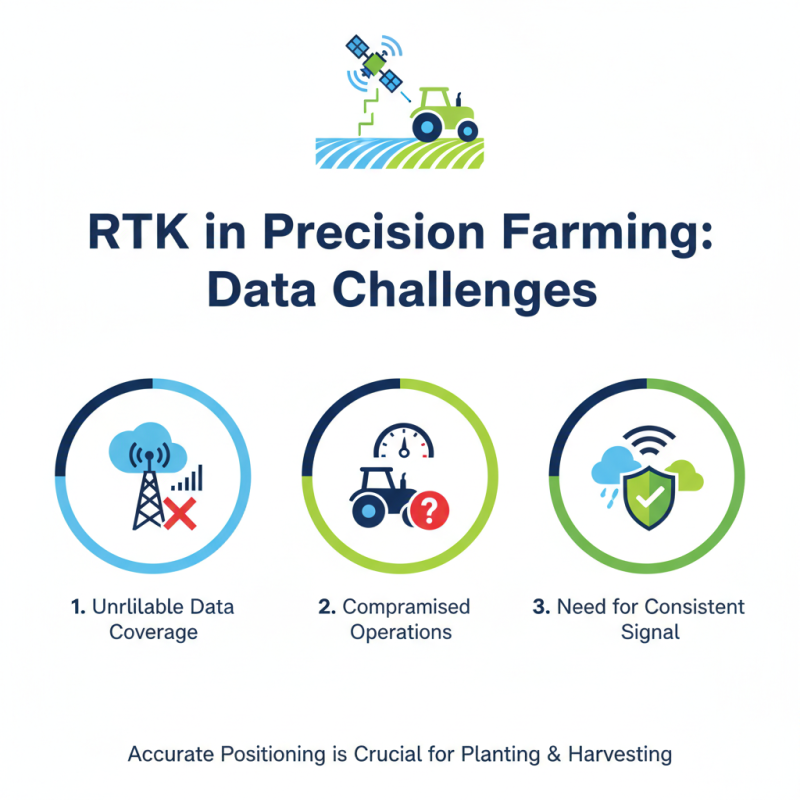
Implementing RTK systems in precision farming presents challenges that require attention. One significant issue is the need for reliable data coverage. Precision farming relies heavily on accurate positioning data. Without consistent signal reception, various farm operations, like planting and harvesting, could be compromised.

Another challenge is the cost of RTK equipment. This can be a barrier for small-scale farmers. Investing in advanced technology can strain budgets. However, there are scalable solutions and cooperative models that can lessen the financial burden on individual farmers. Shared resources can create an affordable entry point for many.

**Tip:** Consider partnering with local farmers to share RTK equipment. This reduces cost and maximizes the benefits for everyone involved.

Training and technical expertise are also crucial. Farmers must understand how to utilize these systems effectively. This knowledge gap can lead to underutilization of RTK technology. Investing in training programs is vital. It ensures that farmers can fully leverage the system's capabilities.

**Tip:** Look for workshops or online courses to enhance your skills. Knowledge is power in precision farming.

Understanding the TCA930 Choke Ring Antenna: Design, Applications, and Benefits in Modern Technology

The TCA930 Choke Ring Antenna is an advanced technology designed for optimal performance in the rapidly evolving field of GNSS (Global Navigation Satellite System) applications. Supporting all-correlated signals from four GNSS systems, this antenna stands out by providing high antenna gain, which is crucial for achieving reliable satellite reception even at low elevation angles. This capability is particularly important in varied geographical settings where obstructions can significantly impact signal quality.

One of the prominent features of the TCA930 is its stable phase center, which ensures sub-millimeter positioning accuracy. Such precision is critical for applications ranging from autonomous vehicles to precision agriculture, where small deviations can lead to substantial operational inefficiencies or risks. Furthermore, the antenna's robust construction, rated at IP67 for its protection level, guarantees durability against harsh environmental conditions, making it suitable for deployment in challenging settings.

Additionally, the TCA930 exhibits strong anti-interference properties, enabling it to function effectively in environments with significant electromagnetic noise. According to industry reports, incorporating high-performance antennas like the TCA930 can enhance the overall system reliability and accuracy, ultimately driving advancements in technology sectors that rely heavily on GNSS data. By leveraging these innovative features, users can explore new frontiers in positioning technology, ensuring reliable and accurate navigation solutions in modern applications.

FAQS

: What is the main purpose of this content?

: The content aims to provide useful information on various topics.

How can someone access the full articles?

Full articles can typically be found on the website or shared platform.

Is there a limit to the topics covered?

Topics vary widely, but they focus on common interests and information.

How often is the content updated?

Content may be updated regularly, but frequency varies by topic and relevance.

Can readers contribute their thoughts?

Many platforms encourage reader comments and suggestions for improvement.

Are there visual elements included?

Visuals may be included, but they're not always present in every article.

What should I do if I find inaccuracies?

If inaccuracies are found, it’s helpful to report them for review.

Is there a feedback process?

Most platforms provide ways for readers to submit feedback on content.

How can one improve their understanding of the topics?

Engaging with additional resources can enhance comprehension and context.

What if I have more questions?

Readers are encouraged to ask questions to clarify any confusing points.

Conclusion

The article "2026 Top RTK Col Antenna Uses and Benefits for Precision Farming" provides a comprehensive overview of Real-Time Kinematic (RTK) technology in agriculture. It highlights the key features of the latest RTK Col Antenna, such as improved accuracy and reliability, which are essential for precision farming. The benefits of utilizing RTK antennas include enhanced crop management through precise positioning, ultimately leading to increased yields and more efficient resource use.

Additionally, the economic impact of adopting RTK antennas in farming is discussed, emphasizing cost savings and higher profitability for farmers. The article also explores future trends in RTK antenna technology, as well as the challenges faced during the implementation of RTK systems. Solutions are provided to address these challenges, showcasing the vital role that RTK Col Antenna technology plays in transforming modern agricultural practices.
Samantha

Samantha

Samantha is a dedicated marketing professional at Shanghai Apekstool (APEKS), a leading provider of innovative geospatial surveying and mapping products based in Shanghai, China. With a deep understanding of the industry, she excels in promoting the company's core offerings, which include......
Previous Top 10 RTK Col Antenna Manufacturers from China at the 137th Canton Fair